CRC 1660 News
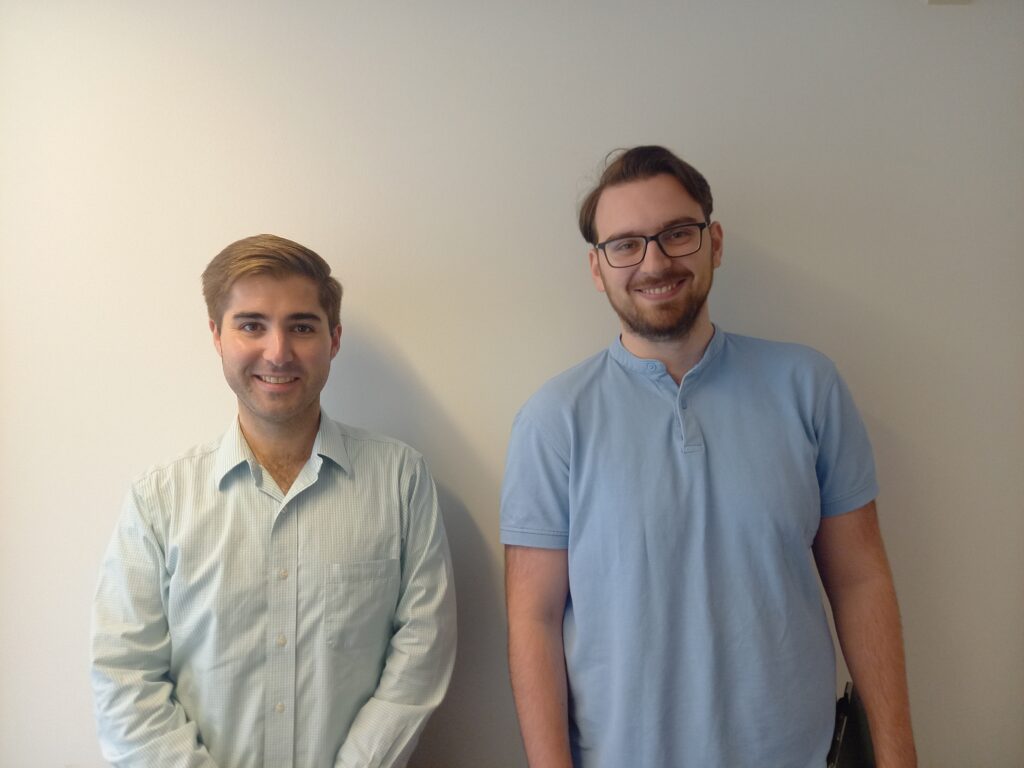
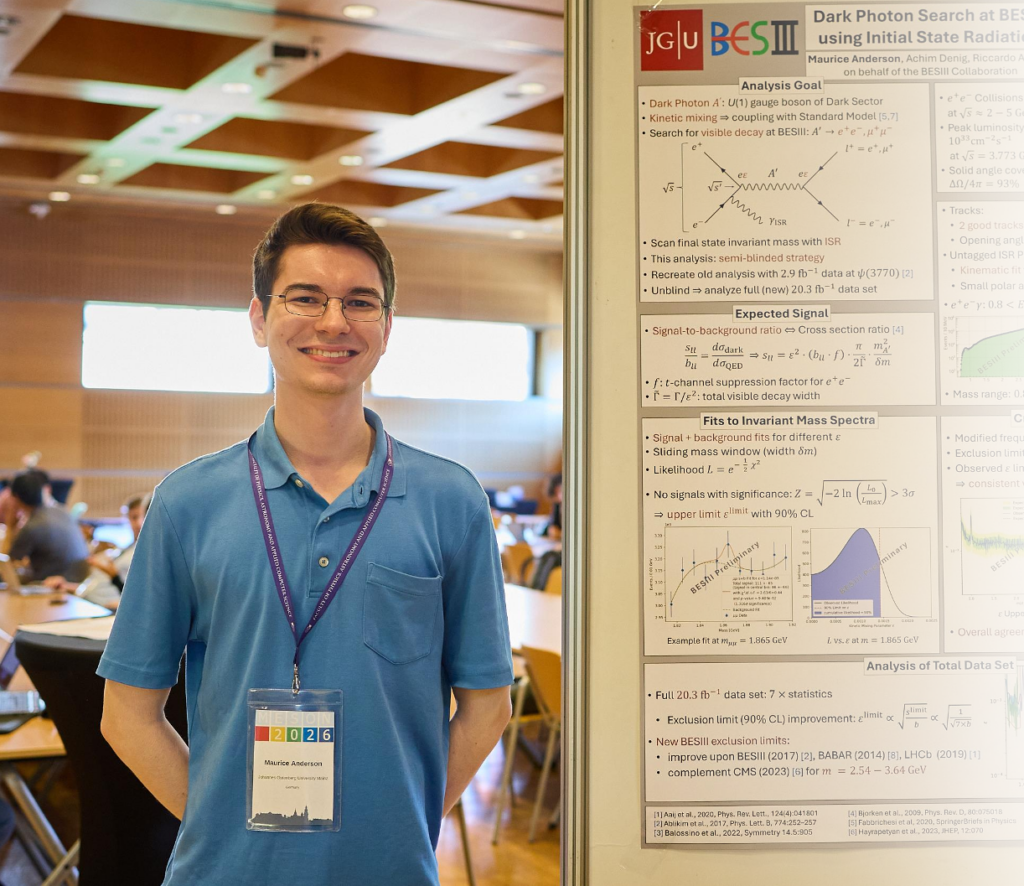
Maurice Anderson, PhD student in our CRC, received the First Prize for Best Poster Presentation at the MESON 2026 Conference.
Maurice was recognized for his poster “Dark Photon Search at BESIII using Initial State Radiation.” The work presents a new search for the production and visible decay of a massive dark photon using BESIII data. The analysis exploits the newly acquired BESIII data taken at the Ψ(3770) resonance to search for a narrow dark photon resonance in the dilepton invariant mass spectrum.
The award recognizes the scientific quality of Maurice’s work and highlights the contributions of CRC 1660’s early-career researchers to the international particle physics community. Congratulations to Maurice on this well-deserved achievement!
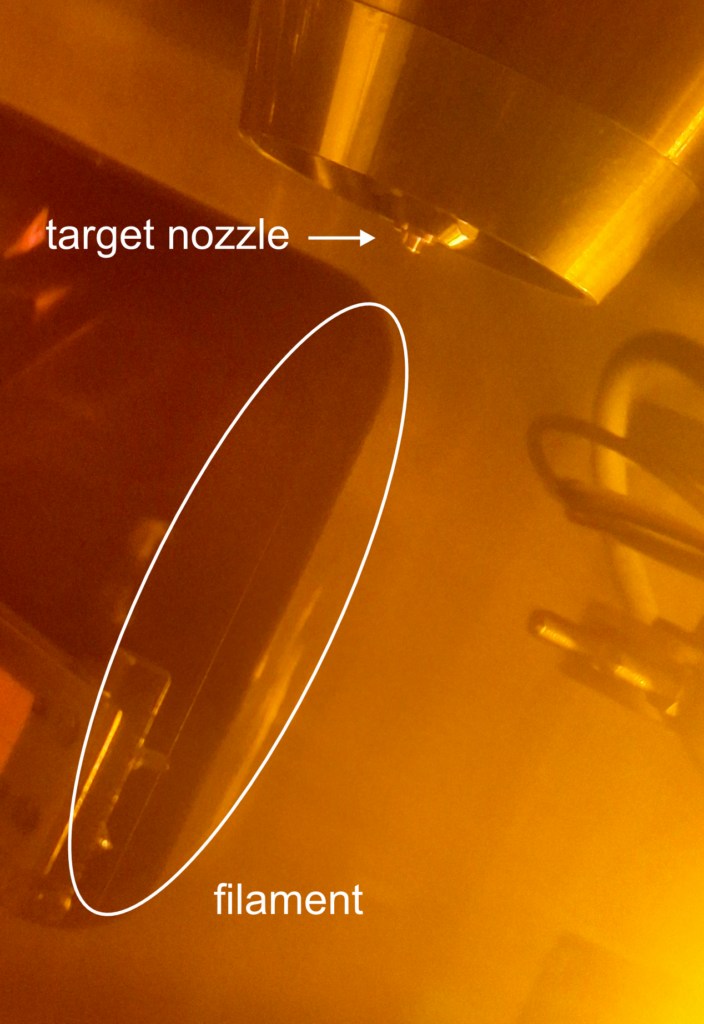
The MAGIX cryogenic filament target has been successfully operated with the A1 electron beam at MAMI, demonstrating stable performance and full compatibility with the existing beamline and detector setup. Liquid hydrogen at a temperature of 16 K and a pressure of 1.2 bar is extruded through a 20 µm aperture nozzle into the vacuum of the scattering chamber. A filament with a diameter of 20 µm is formed, which freezes due to evaporative cooling in the vacuum. The frozen hydrogen filament is continuously reproduced and moves downward with a velocity of approximately 56 m/s to interact with the electron beam. The unscattered filament is dumped below the scattering chamber and pumped away by a dedicated pumping station. With a maximum local areal density of approximately 1019 atoms/cm2, the filament target enables nearly background-free, high-precision electron-scattering measurements. The successful operation marks an important milestone towards the future physics program of MAGIX at MESA.